How to Source Quality Wholesale Shoes for Your Retail Business
Sourcing quality wholesale shoes is a critical aspect of running a successful retail business. The right suppliers can provide you with high-quality products at competitive prices, helping you maximize profit margins and build a loyal customer base. However, finding reliable wholesale shoe suppliers can be challenging, especially for new retailers. In this comprehensive guide, we'll walk you through the essential steps to source quality wholesale shoes for your retail business.

Understanding Your Retail Business Needs
Before you start searching for wholesale shoe suppliers, it's important to understand your business needs and target market. Consider the following factors:
Target audience: Who are your customers? What types of shoes do they prefer?
Product range: What types of shoes will you offer? Consider categories like wholesale sneakers, wholesale sandals, or wholesale women's high heels.
Price point: What is your price range? This will help you identify suppliers that can meet your cost requirements.
Minimum order quantities: How much inventory can you realistically store and sell?
Quality standards: What level of quality do you expect from your suppliers?
Researching Potential Suppliers
Once you have a clear understanding of your business needs, you can start researching potential suppliers. Here are some effective ways to find wholesale shoe suppliers:
1. Online Directories and Marketplaces
Online directories and marketplaces like FashionTIY can be excellent resources for finding wholesale shoe suppliers. These platforms often have extensive listings of suppliers with detailed information about their products, minimum order quantities, and pricing.
2. Trade Shows and Exhibitions
Attending trade shows and exhibitions is a great way to meet suppliers in person and see their products firsthand. This can help you assess product quality and build relationships with potential suppliers.
3. Industry Networks
Joining industry networks and associations can provide you with valuable connections to reputable suppliers. These networks often have member directories and offer opportunities to meet suppliers at events.
4. Referrals
Ask other retailers for referrals to reliable suppliers. Word-of-mouth recommendations can be particularly valuable, as they come from people with direct experience working with the suppliers.
Evaluating Potential Suppliers
Once you've identified potential suppliers, it's important to evaluate them carefully. Here are some key factors to consider:
1. Product Quality
Request samples from potential suppliers to assess the quality of their products. Look for well-constructed shoes with durable materials and good craftsmanship.
2. Pricing
Compare prices from multiple suppliers to ensure you're getting a competitive deal. However, keep in mind that the lowest price isn't always the best option if it means sacrificing quality.
3. Minimum Order Quantities
Check the minimum order quantities (MOQs) required by each supplier. Make sure the MOQs align with your business needs and storage capacity.
4. Lead Times
Ask about lead times for orders. Longer lead times can affect your inventory management and ability to respond to market trends.
5. Payment Terms
Understand the payment terms offered by each supplier. Some suppliers may require payment upfront, while others may offer more flexible terms.
6. Return Policy
Inquire about the supplier's return policy. A fair return policy can protect your business if you receive defective or unsatisfactory products.
7. Customer Service
Evaluate the supplier's customer service. Responsive and helpful customer service can make a significant difference in your business relationship.
Building Relationships with Suppliers
Once you've selected a supplier, focus on building a strong relationship. Here are some tips for fostering a positive supplier relationship:
1. Communicate Clearly
Maintain open and clear communication with your supplier. Be specific about your needs and expectations.

2. Pay on Time
Pay your invoices on time to build trust and credibility with your supplier.
3. Provide Feedback
Provide constructive feedback on products and service. This can help your supplier improve and better meet your needs.
4. Place Regular Orders
Consistent ordering can help you build a stronger relationship with your supplier and may lead to better pricing and terms.
5. Visit the Supplier
If possible, visit your supplier's facility to better understand their operations and build a personal connection.
Sourcing Strategies for Different Shoe Categories
Different shoe categories may require different sourcing strategies. Here are some tips for sourcing specific types of shoes:
Wholesale Sneakers
Sneakers are a popular category with diverse styles and price points. When sourcing wholesale sneakers, look for suppliers that offer a wide range of styles to cater to different customer preferences.
Wholesale Sandals
Sandals are highly seasonal, so timing is important when sourcing wholesale sandals. Work with suppliers that can provide timely deliveries to ensure you have inventory before the summer season begins.
Wholesale Women's High Heels
Women's high heels come in a variety of styles and heel heights. When sourcing wholesale women's high heels, look for suppliers that offer a range of sizes and styles to accommodate different customer needs.
Wholesale Boots
Boots are essential for fall and winter seasons. When sourcing wholesale boots, consider factors like material quality, insulation, and durability to ensure they meet customer expectations.
Wholesale Slippers
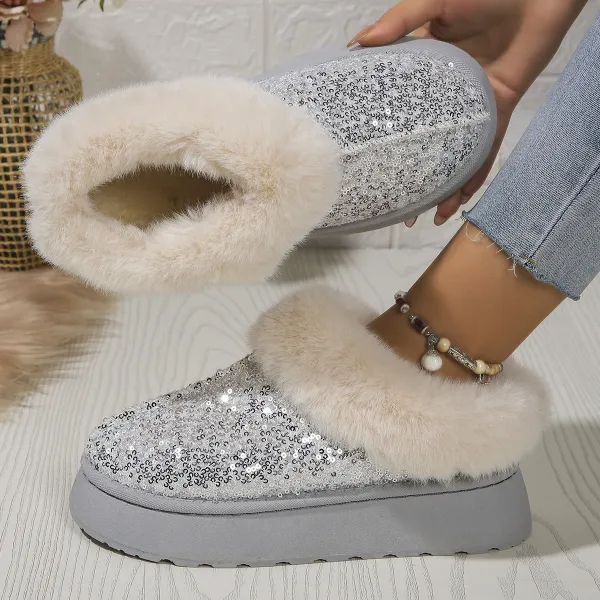
Slippers are a year-round category that emphasizes comfort. When sourcing wholesale slippers, look for suppliers that offer soft, durable materials and a variety of styles for different occasions.
Managing Your Wholesale Shoe Inventory
Once you've sourced quality wholesale shoes, effective inventory management is crucial. Here are some tips for managing your shoe inventory:
1. Track Sales Trends
Monitor sales trends to understand which styles are popular and which are not. This can help you make informed purchasing decisions.
2. Optimize Stock Levels
Maintain optimal stock levels to avoid overstocking or stockouts. Use inventory management software to track stock levels and generate reorder alerts.
3. Plan for Seasonal Demand
Anticipate seasonal demand for different shoe categories. For example, stock up on sandals before summer and boots before winter.
4. Rotate Inventory
Regularly rotate your inventory to ensure older stock gets displayed and sold. This can help reduce markdowns and increase sales.
Case Study: Successful Wholesale Shoe Sourcing
To illustrate the importance of effective wholesale shoe sourcing, let's look at a real-world example. Maria, the owner of a boutique shoe store, struggled with inconsistent product quality and high minimum order quantities from her initial suppliers.
After researching potential suppliers, Maria found a reliable wholesale shoe supplier through FashionTIY that offered high-quality products at competitive prices with reasonable minimum order quantities. By building a strong relationship with this supplier, Maria was able to:
Offer a more consistent selection of high-quality shoes
Reduce her inventory costs by 20%
Increase customer satisfaction and repeat business
Grow her store's revenue by 35% within a year
Sourcing quality wholesale shoes is a critical component of running a successful retail business. By understanding your business needs, researching potential suppliers, evaluating them carefully, and building strong relationships, you can find reliable suppliers that provide high-quality products at competitive prices.
Remember to consider factors like product quality, pricing, minimum order quantities, lead times, and customer service when evaluating suppliers. By following these guidelines, you can build a strong supply chain that supports the growth and success of your retail business.
If you're looking for a reliable wholesale shoe supplier, consider exploring the wide selection of wholesale shoes available at FashionTIY. With their extensive catalog, competitive pricing, and flexible order options, FashionTIY can help you source quality shoes for your retail business and position it for long-term success.
Whether you're interested in wholesale sneakers, wholesale sandals, wholesale women's high heels, or any other shoe category, FashionTIY has the products and support you need to build a successful retail business.


Comments
Post a Comment